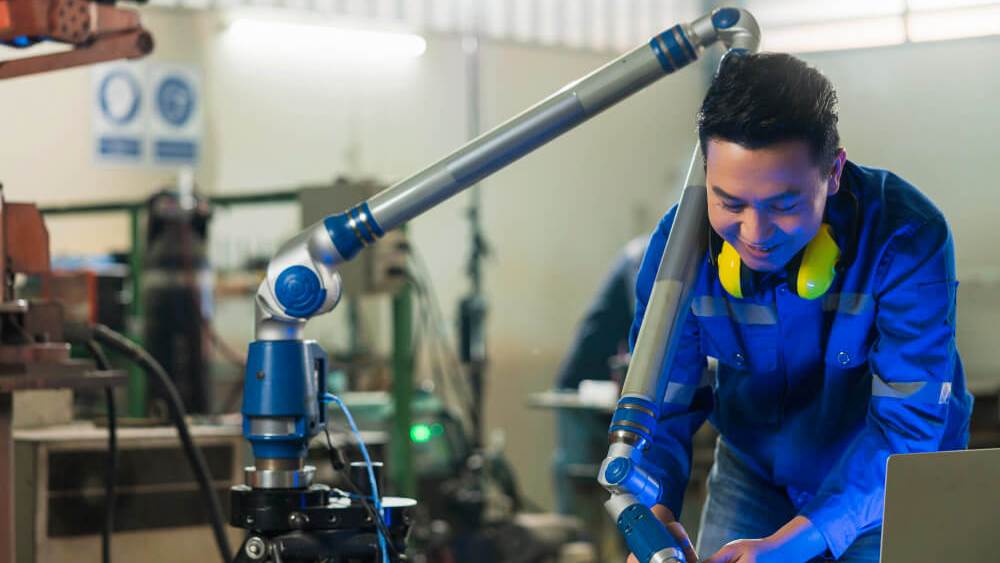
AI and automation are transforming global manufacturing, driving historic gains in efficiency, quality, and adaptability. Powered by machine learning, IoT sensors, and smart robotics, these innovations are enabling factories to achieve unprecedented productivity while staying agile in a changing world.
The Power of AI in Manufacturing
AI brings intelligence to every stage of production. From design through delivery, advanced algorithms learn from vast data streams, help teams solve complex problems, and automate repetitive tasks. Whether it’s optimizing intricate workflows or predicting equipment failures, AI gives manufacturers the ability to outpace competition and meet ever-changing customer demands.
Key Applications of AI in Manufacturing
Predictive Maintenance
AI uses real-time sensor data to monitor machine health, predict equipment failures, and schedule maintenance only when necessary. This “just-in-time” approach:
- Prevents costly downtime and production halts.
- Extends the lifespan of critical equipment.
- Example: PepsiCo’s Frito-Lay plants used AI-driven predictive maintenance to boost capacity by 4,000 hours and slash downtime.
Quality Control
Computer vision and machine learning enable automated defect detection far more reliably than the human eye. These systems:
- Scan products for microscopic flaws and deviations in real time.
- Reduce manual errors and catch defects early.
- Example: BMW uses AI-powered cameras on its assembly lines, ensuring even minute paint or surface defects are detected before products ship.
Supply Chain Optimization
AI-powered analytics help manufacturers seamlessly manage inventory, forecast demand, and optimize production schedules. In practice, this results in:
- Lower storage costs and less waste.
- Fewer stockouts and faster deliveries.
- Example: Unilever uses AI-driven forecasting to cut out-of-stock incidents and overproduction, leading to improve on-time delivery and lower costs
Benefits of Automation in Production Lines
- Efficiency and Speed: Robotics and smart material handling systems minimize bottlenecks and human error while ensuring faster throughput and delivery.
- Precision and Consistency: Automation ensures every product meets the same high-quality standards and allows precise assembly at scale.
- Workplace Safety: Automated systems take on hazardous tasks, reducing workplace injuries and improving conditions for human staff.
- Cost Reduction: By optimizing labor and resource use, automation lowers production expenses and boosts profitability.
![]()
Future Trends in AI and Robotics
- Collaborative Robots (Cobots): Cobots are designed to work safely alongside humans, enhancing flexibility and efficiency on the shop floor.
- Generative AI in Product Design: AI systems generate thousands of design ideas, accelerating prototyping and unlocking creative solutions.
- Real-Time Analytics and IoT: Factories are becoming data-driven ecosystems where AI continuously adapts workflows and maintenance based on live sensor data and cloud analytics.
- Autonomous Guided Vehicles (AGVs): AGVs move materials intelligently around facilities, streamlining logistics and reducing manual handling times.
Conclusion: Embracing the Smart Factory Revolution AI and automation are no longer futuristic dreams—they are the present and future of manufacturing excellence. Those who embrace these technologies will deliver higher-quality products, faster and safer, while maintaining the agility to succeed in a fast-changing world. Smart factories aren’t just coming—they’re here, driving the next wave of industrial success.