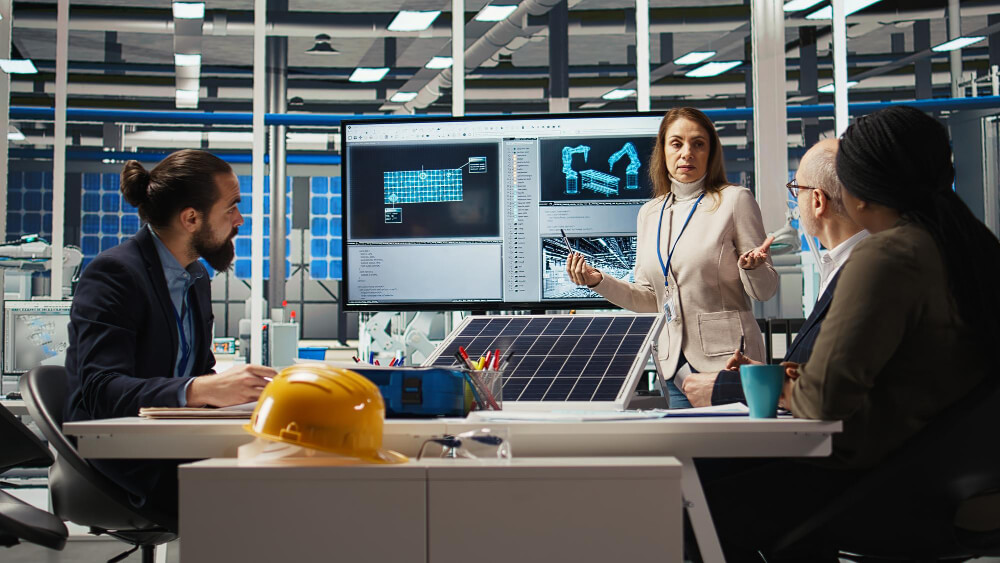
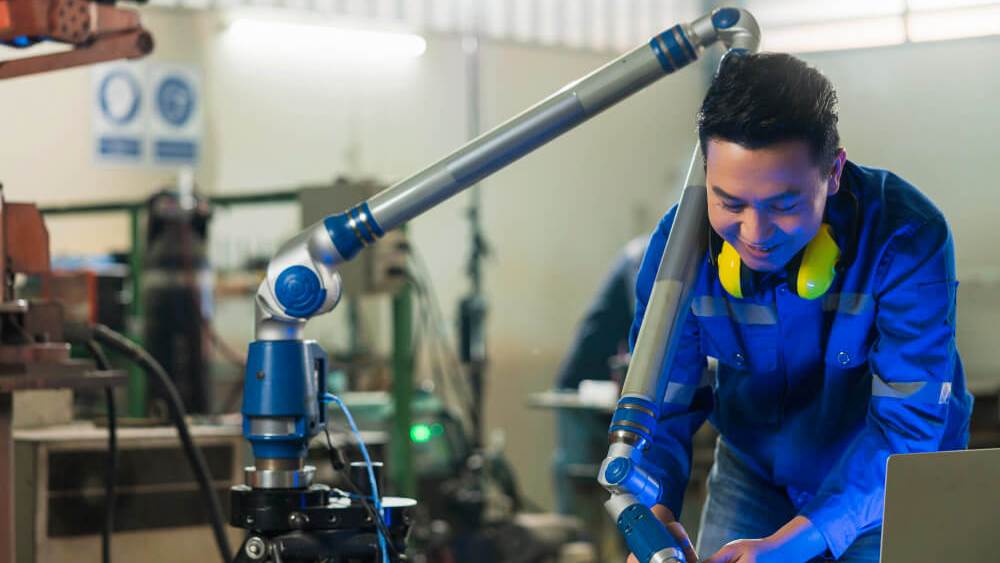
Decentralized manufacturing is revolutionizing how goods are made, enabling industries to reduce logistics dependencies, cut emissions, and empower local MSMEs (Micro, Small, and Medium Enterprises). By shifting away from monolithic production hubs to agile, distributed facilities, companies across aerospace, healthcare, defense, automotive, consumer electronics, and agriculture are discovering new ways to thrive in an unpredictable global landscape.
What Is Decentralized Manufacturing?
Decentralized manufacturing means distributing production activities across multiple, geographically dispersed facilities. Each location serves a local or regional market, using smaller-scale operations that can adapt quickly to changing demands. This model contrasts with traditional centralized plants by offering tailored output and closer proximity to customers.
Advantages of Decentralization in Manufacturing
Flexibility and Responsiveness:
Decentralized manufacturing enables companies to react rapidly to local market changes, ensuring quicker product customization and delivery. By manufacturing closer to the point-of-need, companies shorten lead times and adapt offerings based on precise regional preferences.
Reduced Transportation Costs and Emissions:
Producing goods locally means less long-distance shipping, which lowers both transportation costs and carbon emissions—directly supporting sustainability goals.
Risk Diversification and Resilience:
By spreading production across several facilities, companies mitigate risks like supply chain disruptions, natural disasters, or geopolitical instability. If one plant is compromised, others can maintain output.
Empowerment of Local MSMEs:
Decentralized manufacturing natively supports MSME growth by creating local jobs and increasing opportunities for smaller suppliers. This fosters innovation and stimulates regional economies.
Enhanced Customer Service:
Proximity to customers results in better, faster service and the ability to address evolving needs directly and efficiently.
Impact on Sustainability and Emissions Reduction
Localized production dramatically reduces the logistics footprint—one of the largest sources of industrial emissions. Decentralized models enable:
- Lower fuel consumption: Shorter transport routes for both raw materials and finished goods.
- Real-time adaptation: Facilities can react to energy grid fluctuations or incorporate on-site renewables more effectively.
- On-demand, waste-reducing output: Agile production minimizes overstock and waste, supporting circular economy practices.
Challenges in Decentralized Manufacturing
While the benefits are compelling, decentralized models require robust digital coordination, consistent quality controls across sites, and sometimes higher operational costs due to duplicated resources or compliance management. Technology platforms—such as digital twins, IoT monitoring, and cloud-based quality management systems—are essential for sustaining performance and oversight.
Conclusion: The Path Forward
Decentralized manufacturing isn’t just a trend—it’s a strategic shift toward resilience, sustainability, and local empowerment. As digital transformation and automation continue, every sector from aerospace to agriculture will find innovative opportunities in this agile model. Manufacturers who embrace decentralization today will be best positioned to succeed in tomorrow’s dynamic, low-carbon economy.